

Open your banking app this morning and software has probably made three decisions for you before you finished your coffee: it flagged a suspicious charge, nudged you about a bill, and quietly approved a payment. In 2026, artificial intelligence has stopped being a fintech buzzword and become the plumbing. For fintechzoom.com readers, the real story is no longer whether AI works in finance. It is who benefits, who carries the risk, and where the money moves next.
From Chatbots to Agents That Actually Pay
The biggest shift this year is agentic AI, software that completes tasks instead of just answering questions. In June 2026, Mastercard launched Agent Pay for Machines, describing how one human request, such as setting up an online shop, can trigger a chain of purchases made by an AI agent within a set budget. Visa is building similar Intelligent Commerce rails.
At fintechzoom.com, we see this as the most important change since mobile wallets. When a bot can spend your money, new questions appear: who authorized it, who is liable if it overspends, and how does a merchant know the agent is legitimate? Networks are responding with tokenized credentials and limits.
Fraud Fighting Gets a Serious Upgrade

If agents are the headline, fraud prevention is the quiet win. Stripe reported that its payments foundation model, trained on tens of billions of transactions, lifted detection of card-testing attacks from 59% to 97% for large users. That protects real merchants from criminals testing stolen card numbers.
For small business owners who follow fintechzoom.com, the lesson is practical: ask your payment provider which AI fraud tools you already pay for, because some stay switched off by default.
What Real Customers Are Experiencing
Numbers only matter if people feel them. Bank of America said in March 2026 that its assistant Erica had passed 3.2 billion client interactions.
Klarna offers fintechzoom.com readers a more honest lesson. Its AI assistant handled two-thirds of customer chats in its first month and cut average resolution time from 11 minutes to under two. Later, the company admitted that chasing cost savings hurt quality and brought human agents back. The lesson fintechzoom.com keeps repeating: AI handles volume well, but people want a human when money goes wrong.
Proven Results at a Glance
| Company | AI Use Case | Reported Outcome | Date |
|---|---|---|---|
| Bank of America | Erica assistant | 3.2B+ interactions | March 2026 |
| Stripe | Payments foundation model | Card-testing detection 59% to 97% | May 2025 |
| Klarna | AI customer service | Two-thirds of chats in month one | Feb 2024 |
| Mastercard | Agent Pay for Machines | Launched for agent payments | June 2026 |
Why Investors Watch the Nasdaq and Nikkei

AI spending eventually shows up in the price charts on fintechzoom.com. It is known that AI-driven fintech companies like PayPal, Affirm and Upstart are traded on technology-oriented indices such as Nasdaq. When comparing FintechZoom’s market summaries against live exchange data on the Nasdaq, check whether figures are delayed or real time. A fintechzoom.com nasdaq chart is a starting point, not a trading signal.
For readers following fintechzoom.com nikkei 225 coverage, AI sentiment matters because gains or losses in influential constituents—including Advantest, Tokyo Electron and SoftBank Group—can lift or weigh on Japan’s benchmark, even when other sectors remain relatively stable. When reading fintechzoom.com nikkei 225 updates, remember that a few stocks can drive much of a day’s move. Our Nikkei 225 market analysis confirms this movement.
Investors, as the fintechzoom.com markets desk sees it, reward measurable AI savings over vague promises. Reading fintechzoom.com markets data wisely means comparing AI claims against margins, fraud losses and complaints.
The Risks Nobody Should Ignore
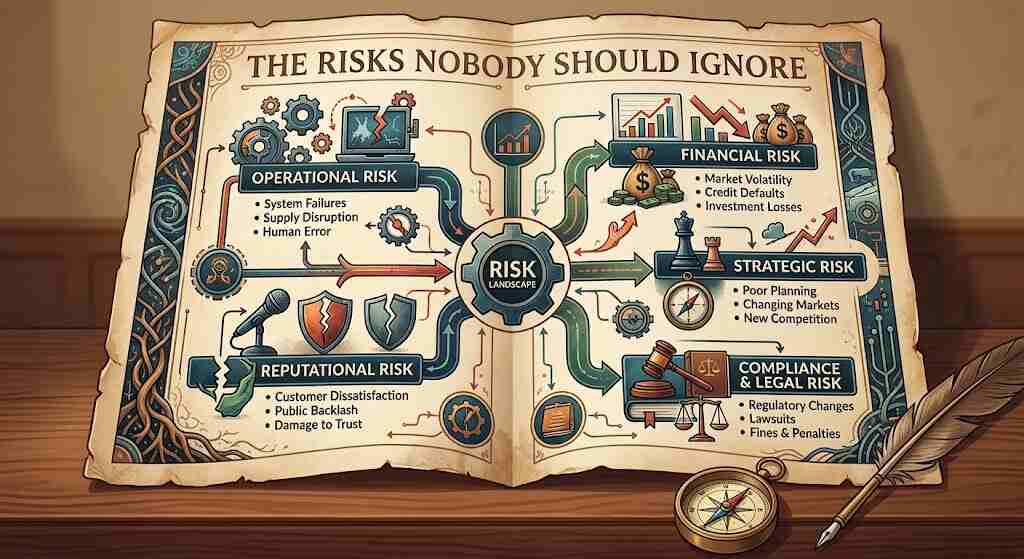
The EU AI Act treats credit scoring as high risk, requiring human oversight and bias testing. The 2026 Global AI in Financial Services Report from the Cambridge Centre for Alternative Finance found the industry moving faster than regulators, with fintechs ahead of traditional banks.
Deepfake voice scams, biased lending models and agents making unwanted purchases are real concerns. Good fintech brands now explain how their models decide, and that transparency is becoming a selling point fintechzoom.com readers should demand.
Practical Steps for Fintechzoom.com Readers
- Turn on AI-powered alerts in your banking app.
- Set spending caps before letting any agent pay for you.
- Verify urgent “bank” calls through the official app.
- Compare fintechzoom.io nasdaq figures with exchange data before trading.
- Use fintechzoom.com explainers first, then read primary filings.
Frequently Asked Questions
1. AI Trends in Fintech in 2026: What Is the Largest One?
Agentic AI that completes payments for users within set limits.
2. Is AI making banking safer?
Largely yes; AI fraud models catch far more attacks than older rules.
3. Will AI replace bank staff?
Not fully. Klarna’s experience shows customers still value humans.
4. How does fintechzoom.com cover AI stocks?
Through fintechzoom.com markets coverage of the Nasdaq and Nikkei 225.
5. Is fintechzoom.io nasdaq the same as fintechzoom.com?
Treat them as separate sources and verify data on official exchange sites.
Conclusion
In 2026, AI is no longer an aspiration but rather the engine powering your fraud screenings, your customer experience, and payments done on your behalf by software. The winners will pair automation with trust, transparency and a human safety net. Users should set limits; investors should reward proof over hype. At fintechzoom.com, our view is clear: the smartest fintech is not the one with the most AI, but the one using it to make money safer, simpler and fairer. Bookmark fintechzoom.com and keep questioning every tool that touches your money.
